YouTube renamed its repetitious-content policy "inauthentic content" effective July 15, 2025, folding monetization rules into a consolidated page — a rewrite the platform says clarifies, not tightens, enforcement.
A brand deal is a direct payment from a company to a creator for featuring its product, and the rate is set by reach, format, and exclusivity — benchmarks the industry's own surveys put in a wide band.
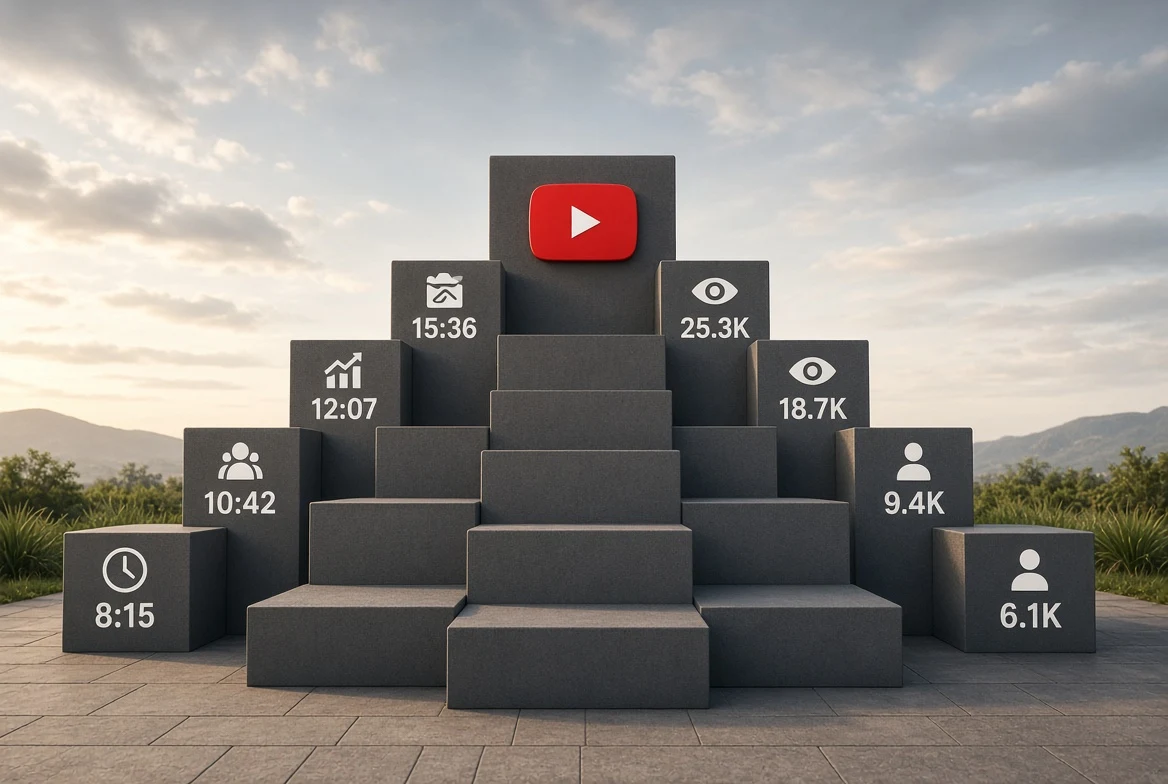
YouTube pays creators 55 percent of long-form ad revenue and 45 percent of the Shorts pool, with eligibility set at 1,000 subscribers plus watch hours or Shorts views — splits the platform publishes and dates.
YouTube is doubling the watch-hour and Shorts-view bar for new monetization applicants starting February 1, 2027. Here's how the current rules work, what's changing, and who the update actually affects.
After record venture funding in 2021, the creator-economy sector corrected into layoffs, delistings and acquisitions — a shakeout that reorganized the industry around fewer, larger players.
The standard three-to-six-month emergency fund assumes a paycheck; full-time creators are usually advised to hold six to twelve because payouts swing and invoices pay late.
Paid newsletters sell a direct subscription instead of algorithmic reach, and the economics come down to list size, a single-digit conversion rate and platform fees.
YouTube publishes the percentage it keeps, the thresholds that decide who is in the split, and a 2027 change to both. Federal advertising rules cover the other income line. Here is the mechanism, from the filings up.
A brand deal is a direct payment from a company to a creator for featuring its product, and the rate is set by reach, format, and exclusivity — benchmarks the industry's own surveys put in a wide band.
YouTube pays creators 55 percent of long-form ad revenue and 45 percent of the Shorts pool, with eligibility set at 1,000 subscribers plus watch hours or Shorts views — splits the platform publishes and dates.
YouTube is doubling the watch-hour and Shorts-view bar for new monetization applicants starting February 1, 2027. Here's how the current rules work, what's changing, and who the update actually affects.
Spotlight paid from a fund that started at a million dollars a day in 2020 and was scaled back from 2022, with Snap deciding individual payouts through an undisclosed formula.
Kick's 95 percent sub split pays nearly double Twitch's default 50 percent, and the on-record signings of 2023 showed what that gap was worth to platforms and streamers.
A brand deal is a direct payment from a company to a creator for featuring its product, and the rate is set by reach, format, and exclusivity — benchmarks the industry's own surveys put in a wide band.
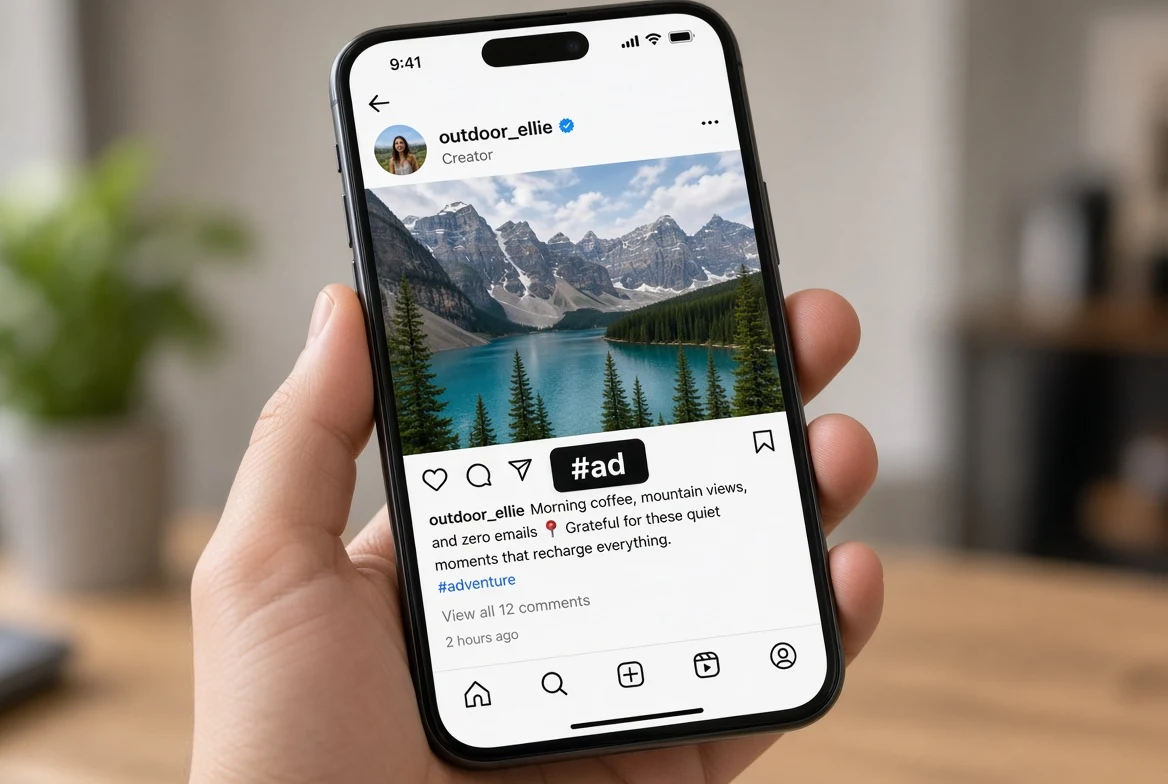
The rules cover any payment, free product, or personal tie to a brand, and they specify where the disclosure has to sit -- not just that one has to exist.
YouTube renamed its repetitious-content policy "inauthentic content" effective July 15, 2025, folding monetization rules into a consolidated page — a rewrite the platform says clarifies, not tightens, enforcement.
YouTube publishes the percentage it keeps, the thresholds that decide who is in the split, and a 2027 change to both. Federal advertising rules cover the other income line. Here is the mechanism, from the filings up.
Creators on the red carpet now hold official roles once reserved for legacy outlets, from Vogue's Met Gala livestream to premiere carpets run for vertical video.