How YouTube's ad revenue share actually works
YouTube pays partners 55% of watch-page ad revenue and 45% of a pooled Shorts allocation, and the bar to qualify for either is about to rise.
Profiles and working detail on people making internet video, newsletters and podcasts: team size, upload cadence, contracts and what pays the rent.
YouTube pays partners 55% of watch-page ad revenue and 45% of a pooled Shorts allocation, and the bar to qualify for either is about to rise.
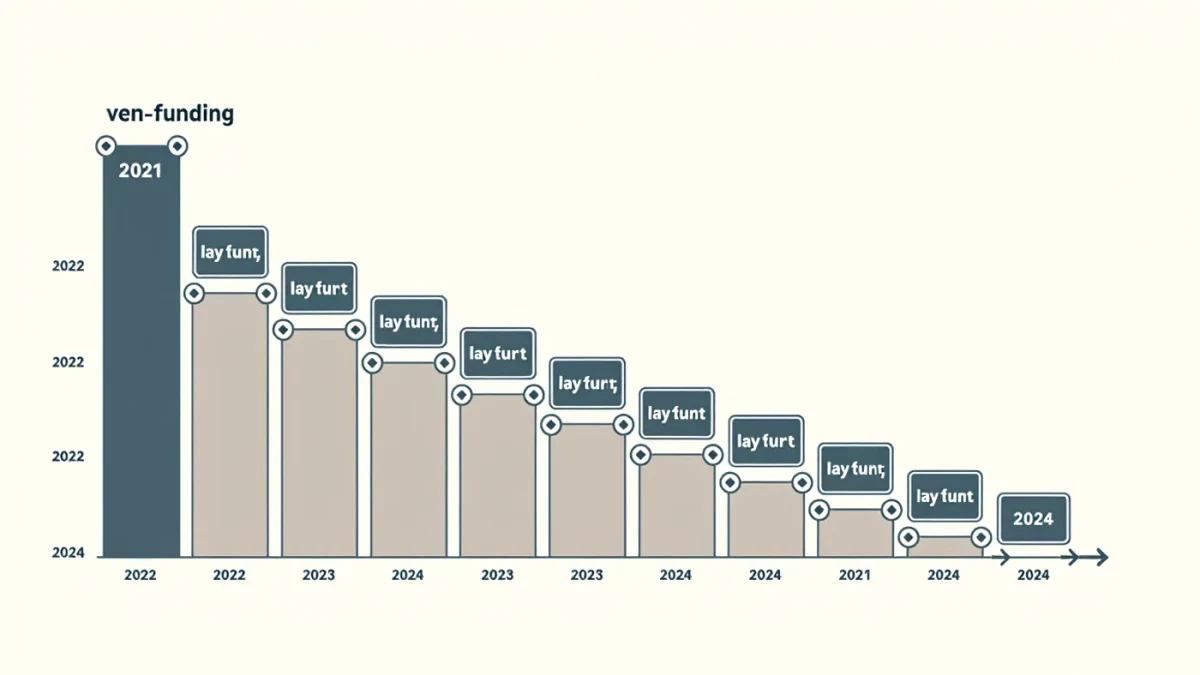
After record venture funding in 2021, the creator-economy sector corrected into layoffs, delistings and acquisitions — a shakeout that reorganized the industry around fewer, larger players.
The standard three-to-six-month emergency fund assumes a paycheck; full-time creators are usually advised to hold six to twelve because payouts swing and invoices pay late.

Paid newsletters sell a direct subscription instead of algorithmic reach, and the economics come down to list size, a single-digit conversion rate and platform fees.

Most solo creators hire a freelance video editor first, then add a thumbnail designer and a part-time assistant — a contractor bench that grows one paid role at a time.
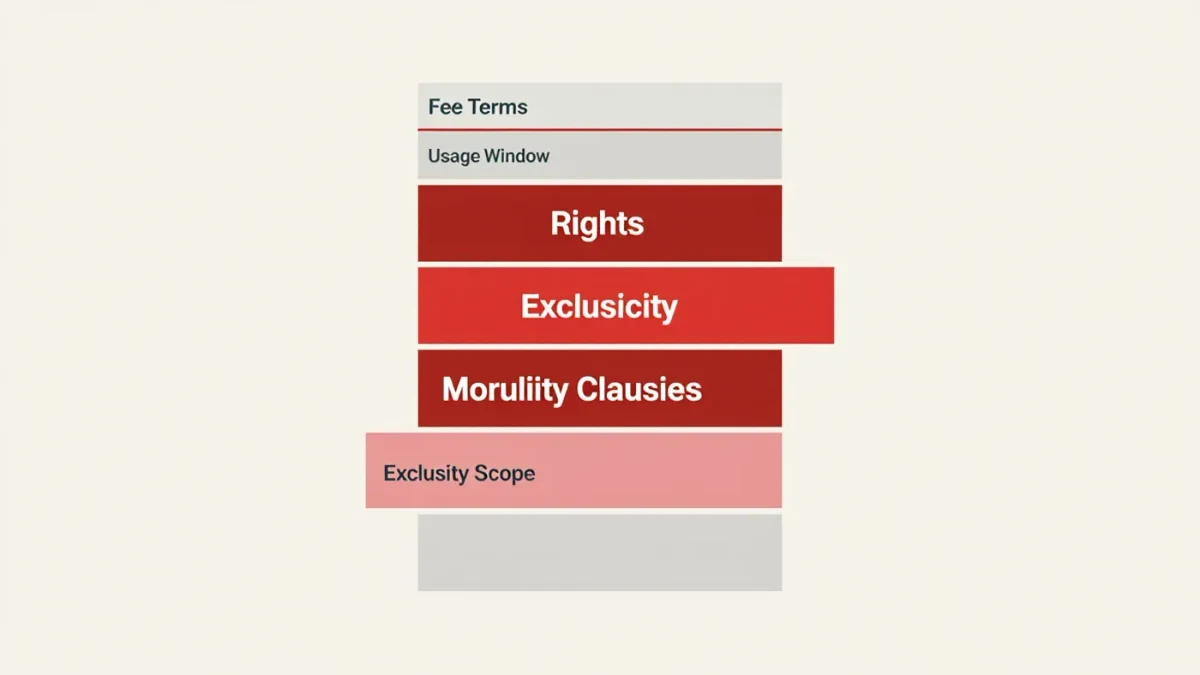
The most expensive clauses in creator contracts are rarely about pay — they are archive rights, exclusivity and morality provisions that outlive the campaign.