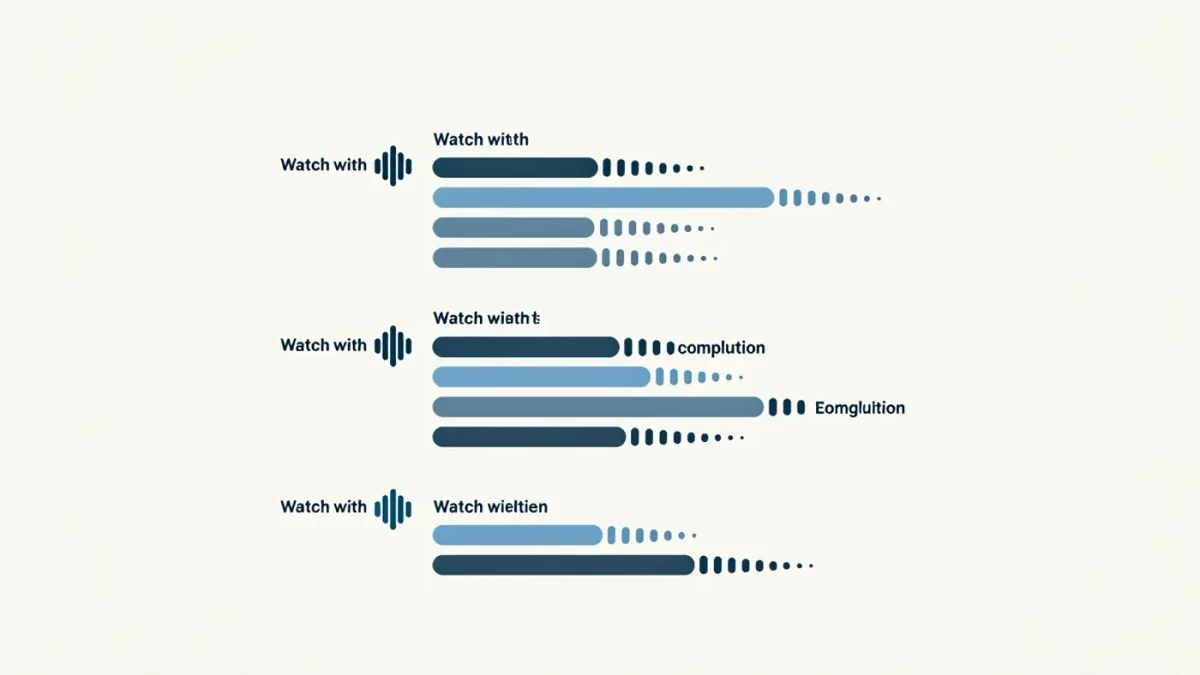
How recommendation feeds decide what you see
YouTube and TikTok describe their feeds as ranking on watch time, completions, engagement and content signals, according to the platforms' own published explanations.
YouTube, TikTok, Twitch and Substack read through their terms: revenue splits, enforcement patterns, eligibility rules and what changes for creators.
YouTube and TikTok describe their feeds as ranking on watch time, completions, engagement and content signals, according to the platforms' own published explanations.

Long-form YouTube videos earn roughly ten to a hundred times more per view than Shorts under pool-based pricing, according to self-reported creator figures from 2023 to 2025.
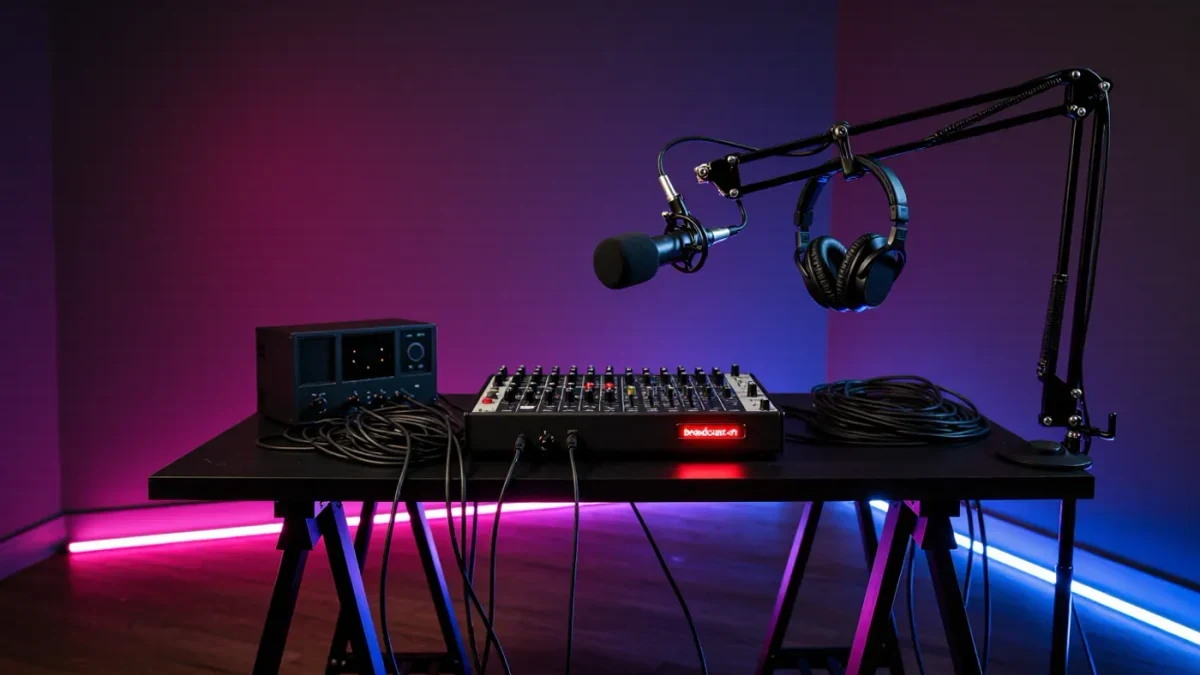
Twitch splits subscriptions 50/50 by default with a 70/30 tier for qualifying partners, pays about a cent per bit, and issues monthly payouts above a 100 dollar threshold.
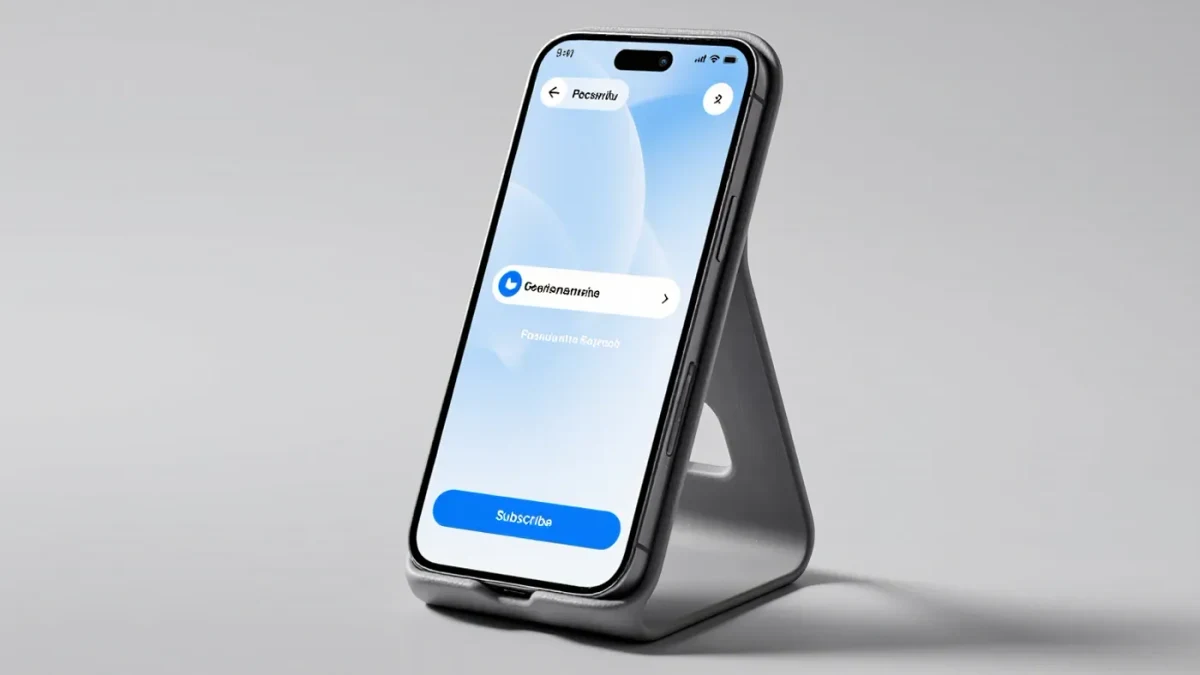
Instagram's subscription feature gives creators a monthly recurring income with app-store pricing tiers, while Meta's own fee has stayed at zero by company statement rather than contract.
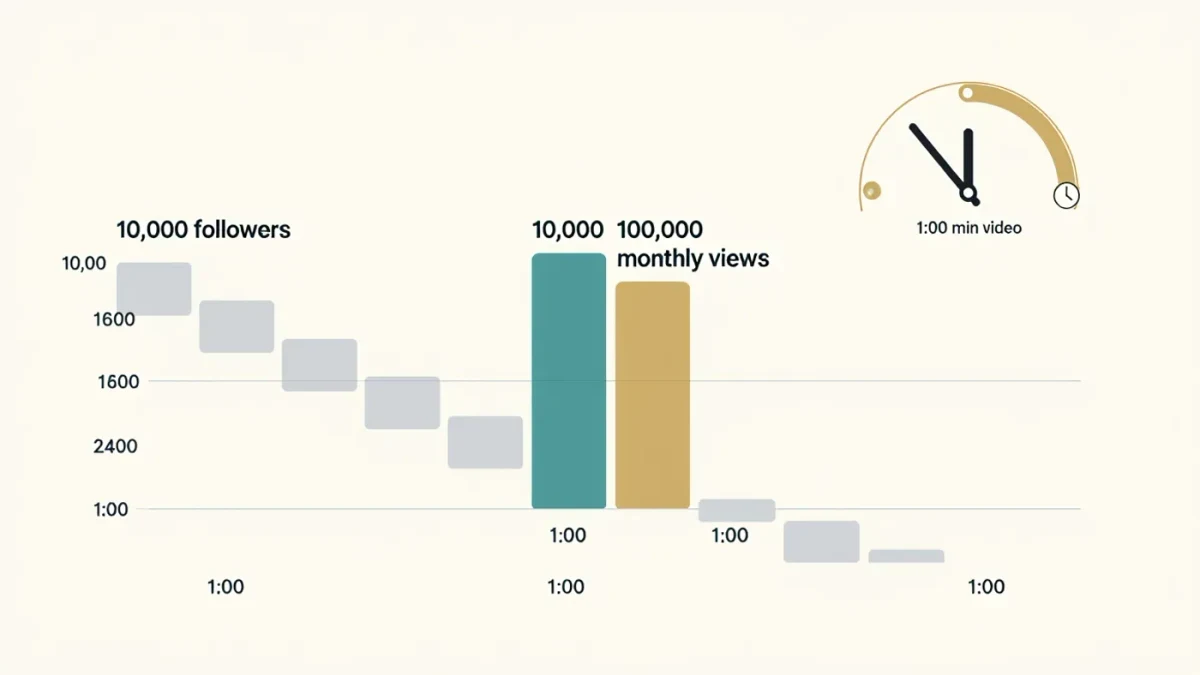
TikTok pays eligible creators for original videos longer than one minute, with 10,000 followers and 100,000 monthly views as the entry bar and all payout figures self-reported.

The Partner Program splits long-form ad money 55/45 and pays Shorts from a shared pool, and every key threshold has stayed stable through 2025.